


September 1, 2025
End of Content.
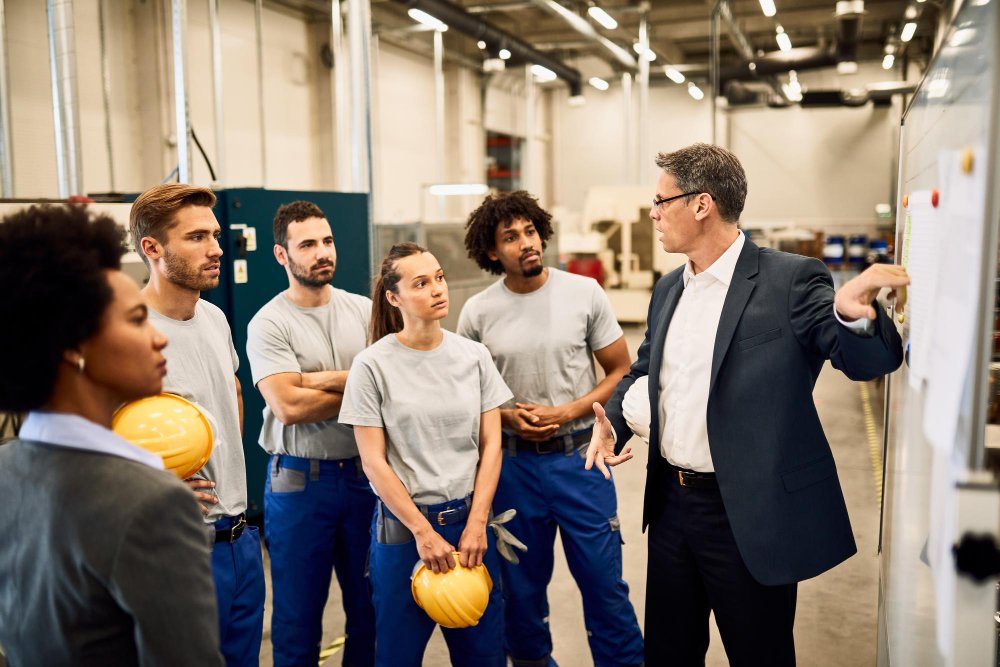
Work uniforms have always been more than just clothing. They reflect history, culture, identity, and the values of a profession. From the neatly pressed coats of early doctors to the smart, customized corporate wear of today, uniforms have undergone a remarkable transformation.
At Banahara.com, we recognize that uniforms are not static—they evolve with time, technology, and the changing needs of professionals. In this blog, let’s take a journey through the evolution of work uniforms, exploring how they have transitioned from traditional attire to modern, functional, and stylish designs.
Uniforms have existed for centuries, originally designed to establish authority, discipline, and recognition. Military forces were among the first to adopt standardized uniforms, which signified loyalty and rank. The concept gradually extended to professions like law enforcement, healthcare, and education.
In traditional times, uniforms were simple, formal, and heavily symbolic. For example:
While traditional uniforms served their purpose, they were often rigid, less comfortable, and lacked personalization.
The Industrial Revolution marked a turning point for work uniforms. As factories and industries grew, the need for functional, protective clothing became essential. Workers required attire that could withstand demanding environments, protect against hazards, and offer mobility.
This era saw the introduction of:
Although functionality was the focus, style and comfort were still secondary. Nevertheless, this period laid the foundation for performance-driven workwear.
By the mid-20th century, uniforms started to take on a new role: branding and identity. Businesses realized that uniforms could reflect not only professionalism but also the image of their company. Airlines, hotels, and retail chains were among the first to embrace this shift.
This phase highlighted how uniforms could influence customer perception and enhance brand recognition.
Fast forward to today, uniforms have entered a new era where comfort, style, and functionality coexist. The modern workforce values uniforms that not only look good but also support performance.
Industries like healthcare, hospitality, and corporate sectors have adopted these changes widely, proving that uniforms are no longer just workwear—they’re part of personal and professional identity.
Technology has significantly influenced modern uniform manufacturing. Today, uniforms are designed with advanced techniques such as:
This blend of technology and design ensures that uniforms serve both practical needs and aesthetic expectations.
One of the most notable changes in modern uniform design is the recognition that uniforms directly impact employee confidence and performance. Unlike traditional uniforms that sometimes felt restrictive, today’s designs are tailored to ensure comfort and pride.
When professionals feel good in what they wear, it reflects in how they carry themselves, interact with others, and perform their duties. This shift highlights the human element of uniforms—they are no longer about strict conformity but about empowering individuals.
As industries continue to evolve, so will uniforms. The future promises even more innovation:
Uniforms will continue to balance functionality, style, and sustainability, ensuring that professionals not only look good but also feel confident and motivated.
At Banahara.com, we embrace the evolution of uniforms by combining traditional values of professionalism with modern design innovations. Our focus is on creating uniforms that:
From healthcare to hospitality, education to corporate, we ensure that every uniform we design represents quality, trust, and innovation.
The journey of work uniforms from traditional attire to modern, stylish, and functional designs reflects how much the world of work has changed. What began as a means of establishing identity and discipline has now become an essential part of branding, comfort, and professional pride.
As industries move forward, uniforms will continue to evolve, but one thing will remain constant: the role of uniforms in enhancing professionalism and confidence. At Banahara, we are proud to be part of this evolution—stitching tradition, innovation, and identity into every uniform we create.



It presents a wrist-hugging oval of gold, punctuated with.
Welcome to Banahara.com, the official online platform of Banahara Merchandise India Pvt. Ltd., your trusted destination for premium-quality uniforms tailored to meet the needs of professionals across diverse industries.
© 2025 Banahara.com
WhatsApp us